Explore how decentralized ecosystems, regenerative design, and new organizational models are reshaping how we build communities, share knowledge, and create futures beyond surveillance capitalism. This series examines the philosophy, practice, and real-world examples of ecosystem architecture—a framework for designing organizations that work like living systems rather than machines, from Shenzhen's manufacturing networks to digital communities transcending geography.
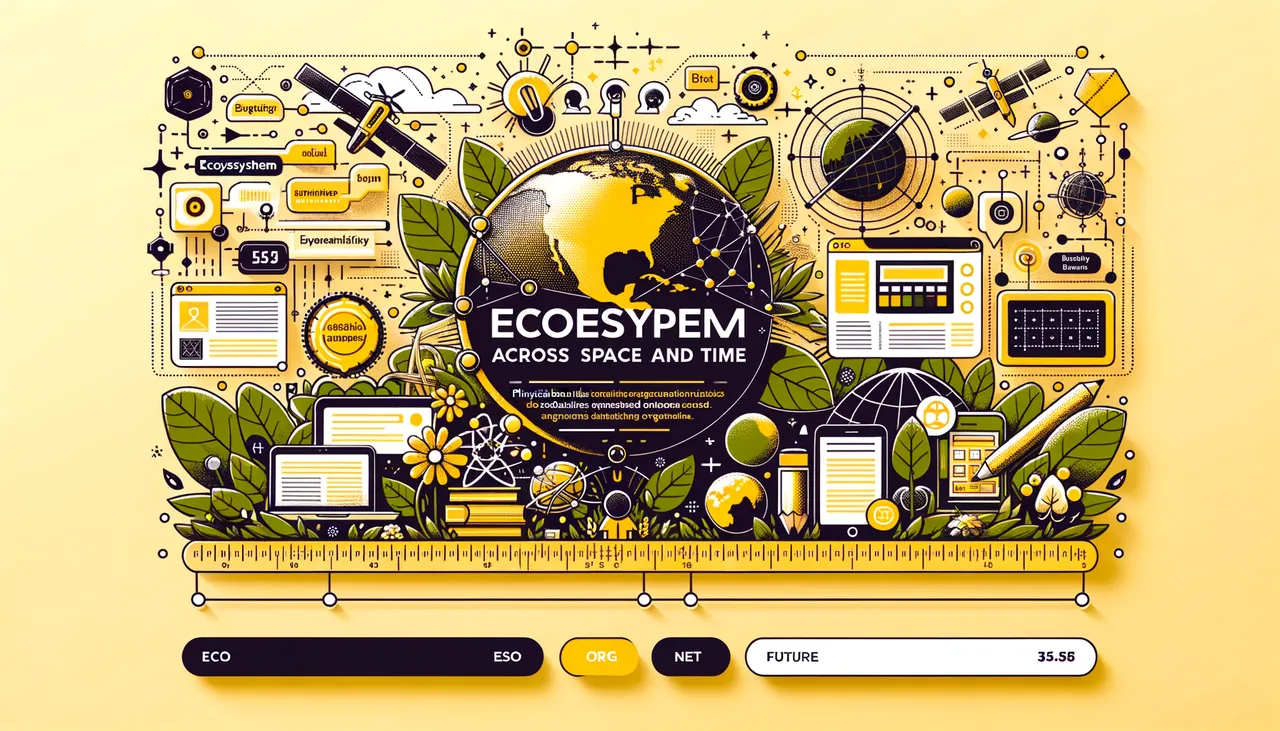
Contemporary ecosystems transcend biological boundaries, dispersing across space and time through digital networks. This article explores how modern organizations require new frameworks of ecosystem architecture to design and cultivate thriving, non-hierarchical structures.
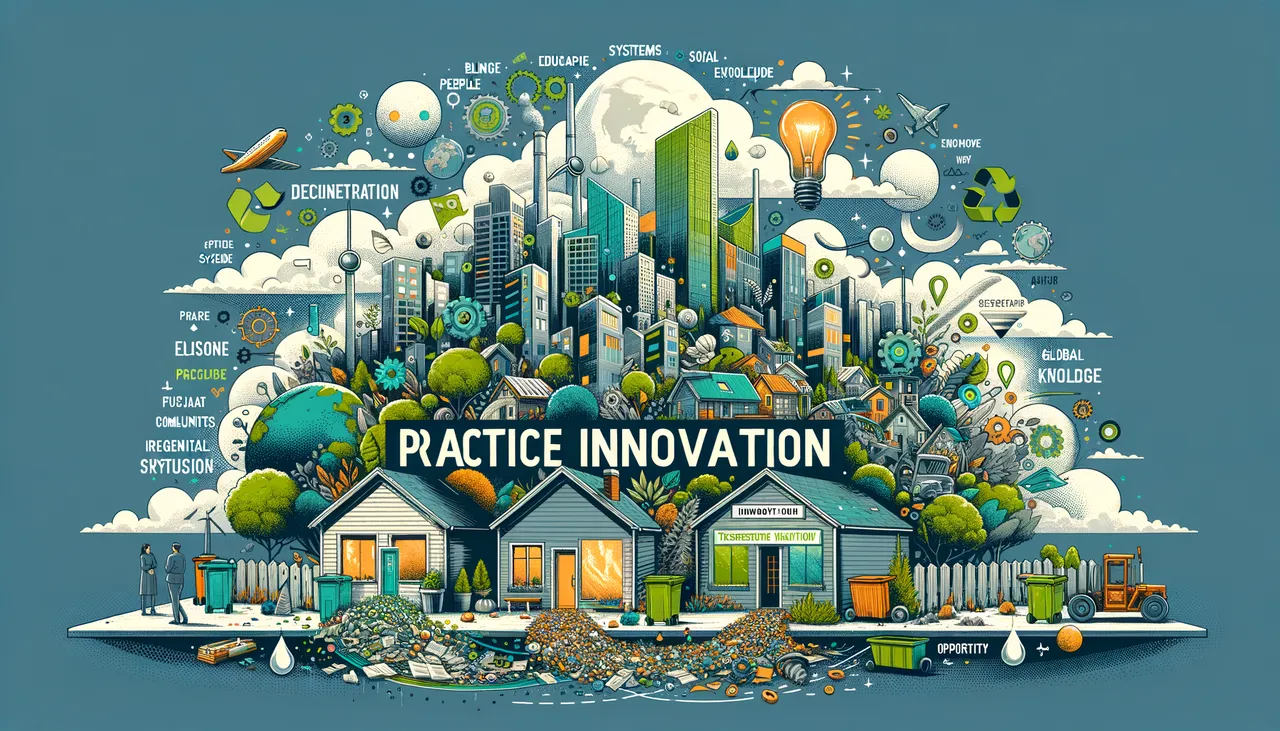
Ecosystem architecture blends decentralization with regenerative design to address complex challenges. This article explores how innovation as a practice, rather than artifact, can transform communities through sustainable and equitable solutions.
The internet has fragmented into distinct ecosystems across the globe. This article explores how ecosystem architecture can embrace this fragmentation as an opportunity for innovation rather than a problem to solve.
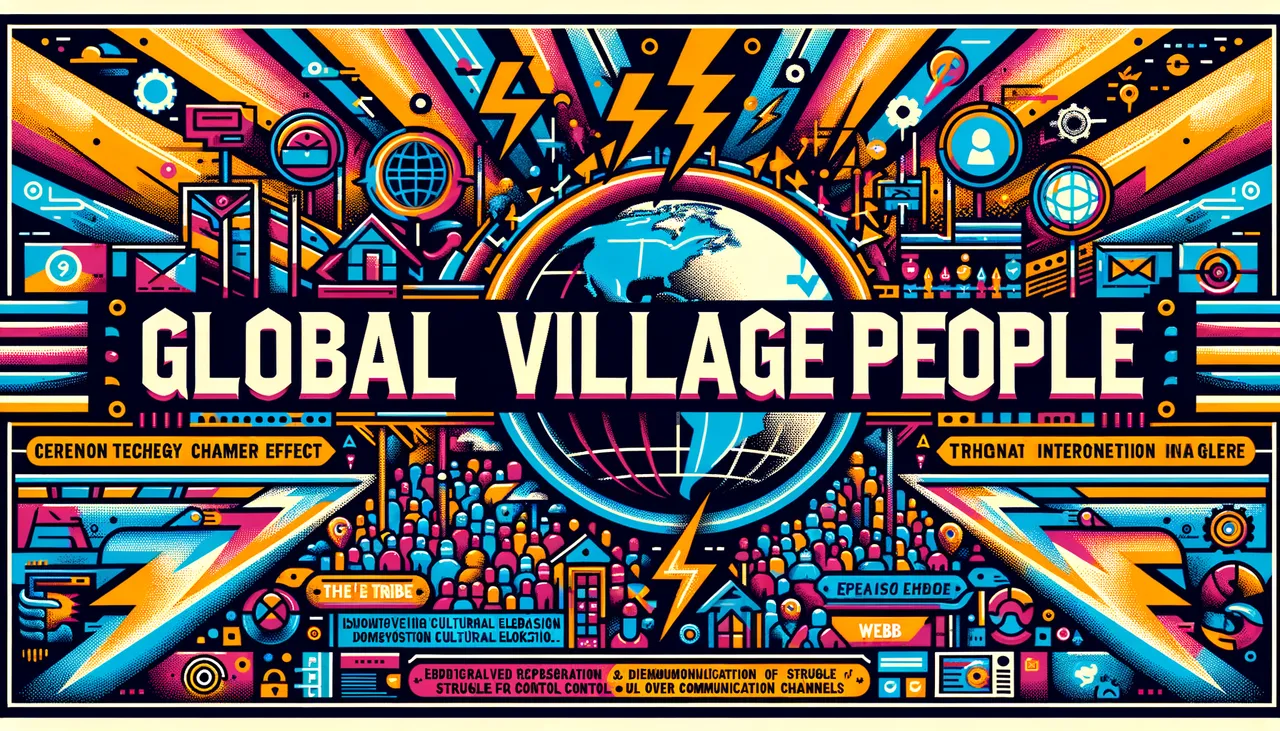
McLuhan predicted the global village, but also its tribalism. This article examines how the internet's collapse of space and time simultaneously connects and divides us through digital echo chambers and control over communication channels.
Sloterdijk's foam metaphor reframes internet fragmentation as a positive phenomenon of multiplicity. This article explores how filter bubbles can be understood as potential ecosystems rather than problems to burst, embracing complexity without universal norms.
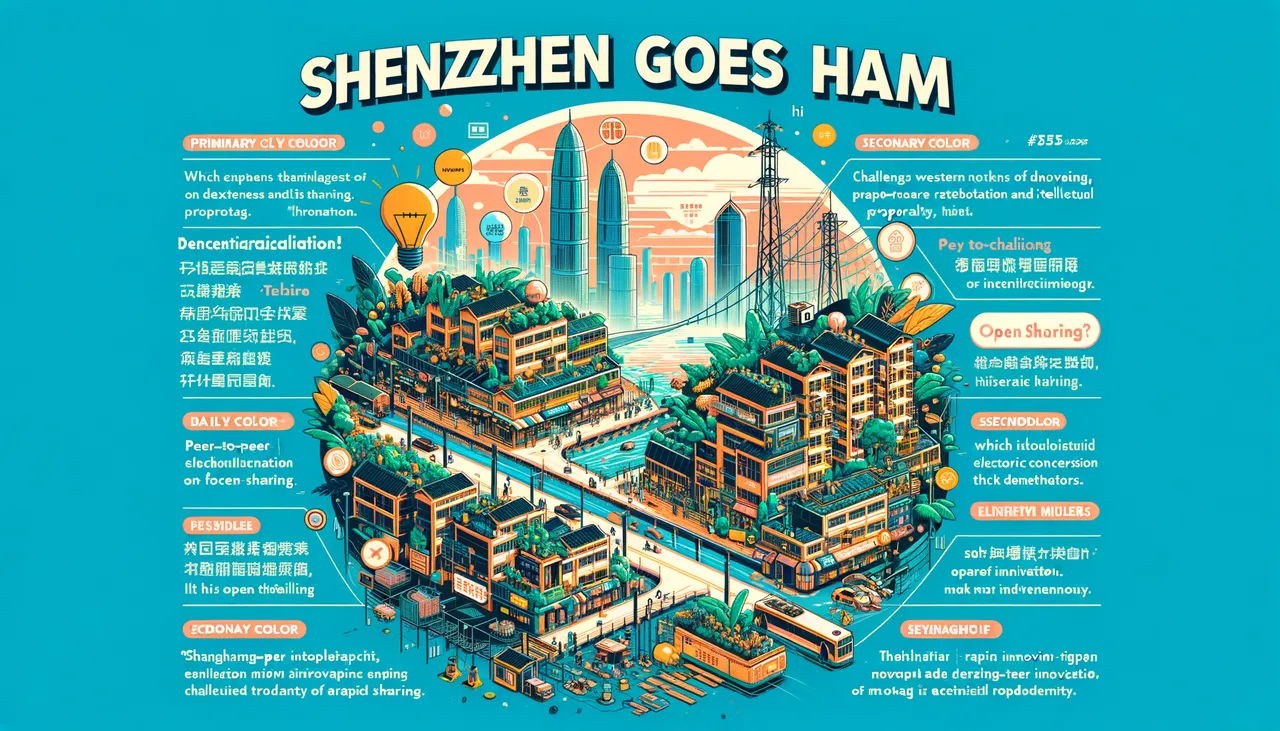
Shenzhen's shanzhai ecosystem exemplifies advanced decentralization through gongkai—open sharing of hardware designs. This article explores how this peer-to-peer manufacturing model surpasses both traditional innovation and Western open source, while confronting its environmental costs.
Bataille's economy of excess challenges scarcity-driven capitalism by embracing waste as abundance. This article examines how Borawake's Garb-Age practice reframes garbage as intrinsic to nature and culture, offering a paradigm shift from extraction to regeneration.
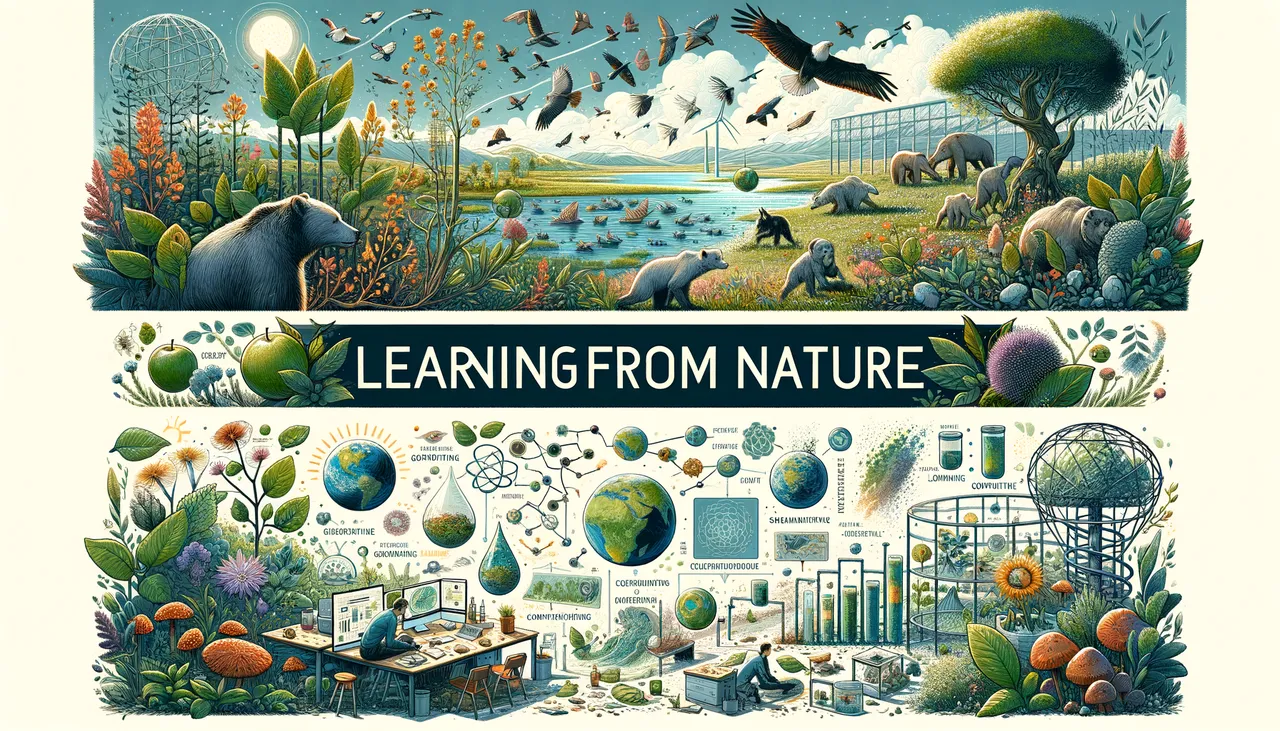
Regenerative design meets decentralization through permaculture and biomimicry, learning from nature's collaborative ecosystems. This article explores how Wahl's regenerative culture principles challenge Darwinian competition with natural systems optimizing for collective health through alignment.
Healthy ecosystems enable voting with your feet—the freedom to leave. This article examines Srinivasan's Network State as digital communities transcend territorial boundaries, building startup societies around shared values rather than contingent geography.
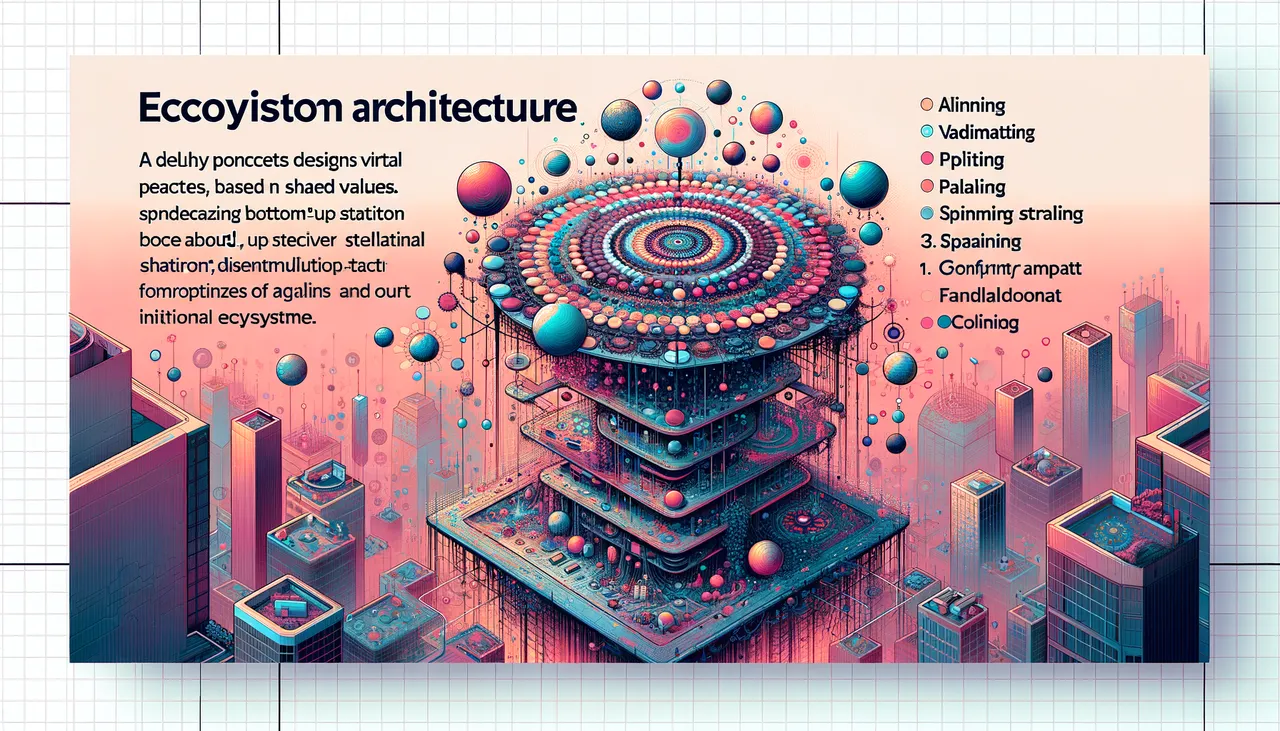
Ecosystem architecture designs intentional communities through bottom-up emergence rather than top-down control. This article introduces the four-phase practice—Align, Validate, Scale, Spin Out—drawing from de Certeau's sieve-order and cellular automata's emergent complexity.
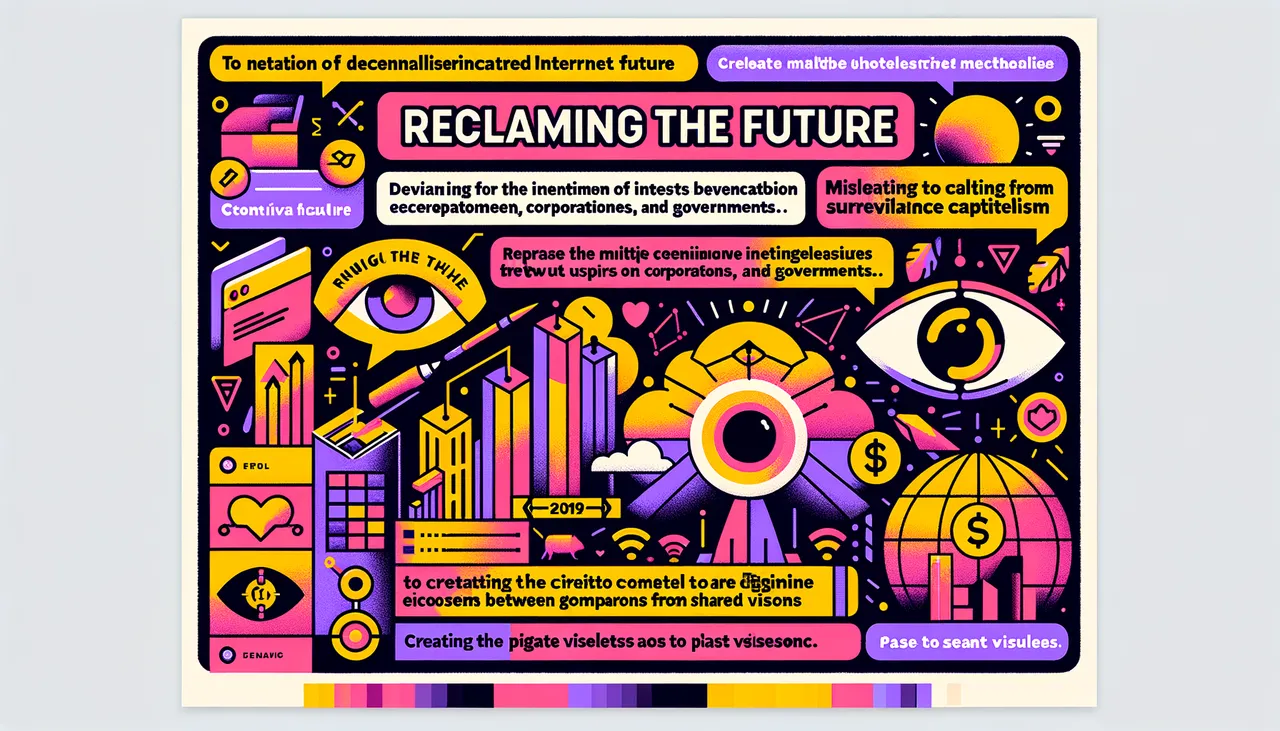
Zuboff's surveillance capitalism weaponizes data to control behavior, making connection without alignment dangerous. This article concludes the series by advocating ecosystem architecture as the practice to design multiple inhabitable futures against predetermined dystopias.